舞蹈團體Amalia Hernández創立
由Amalia Hernández舞蹈團呈獻
一位編舞家,1952年
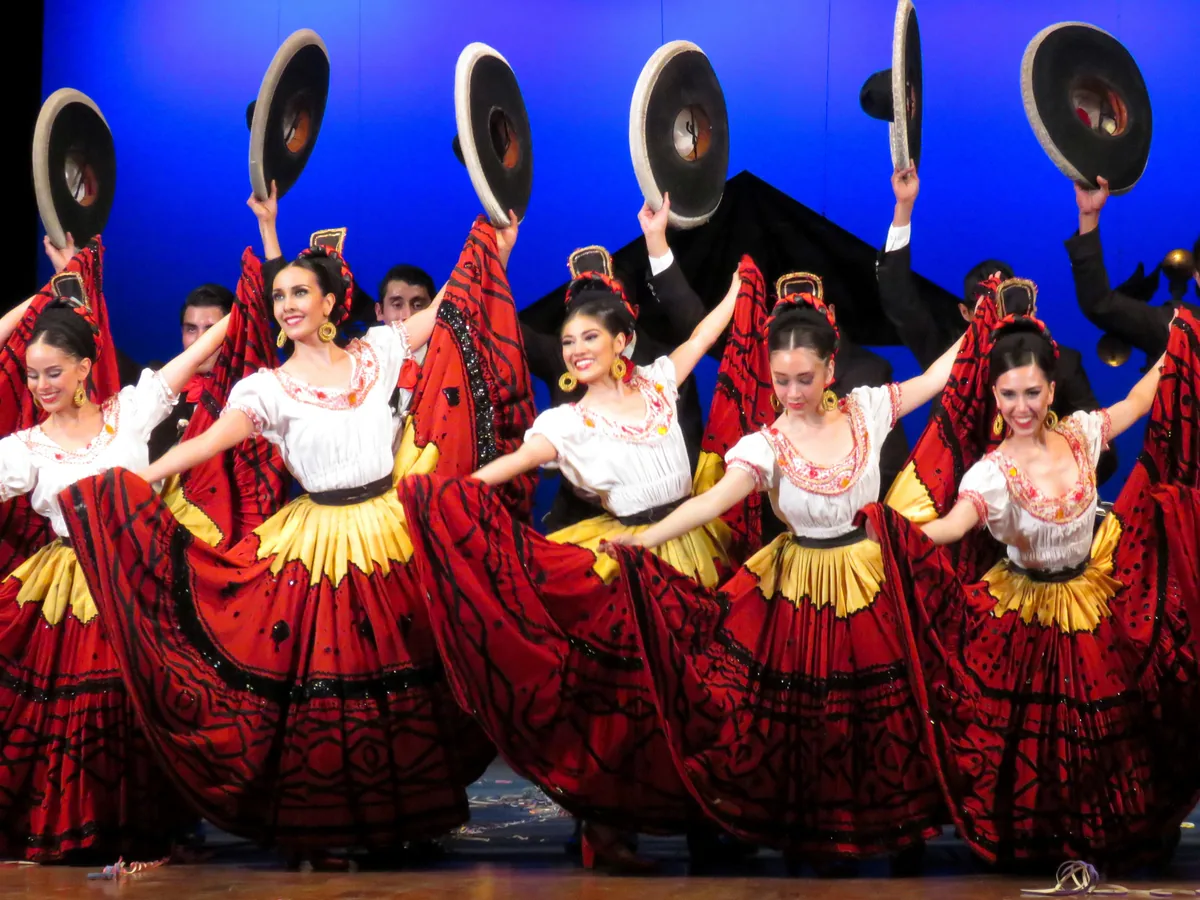
如今在藝術宮(Palacio de Bellas Artes)演出的民俗芭蕾傳統,可追溯至1952年,當時墨西哥編舞家阿瑪利亞·埃爾南德斯創立了一支民俗舞蹈團,短短十年內從八位舞者擴展至五十位。她的舞團曾代表墨西哥參加1959年在芝加哥舉行的泛美運動會,隨後巡迴演出超過80個國家——這也是「ballet folklórico」在國際間成為墨西哥劇場式民俗舞蹈代名詞的原因之一。
民俗舞蹈,經由編排與舞台化呈現
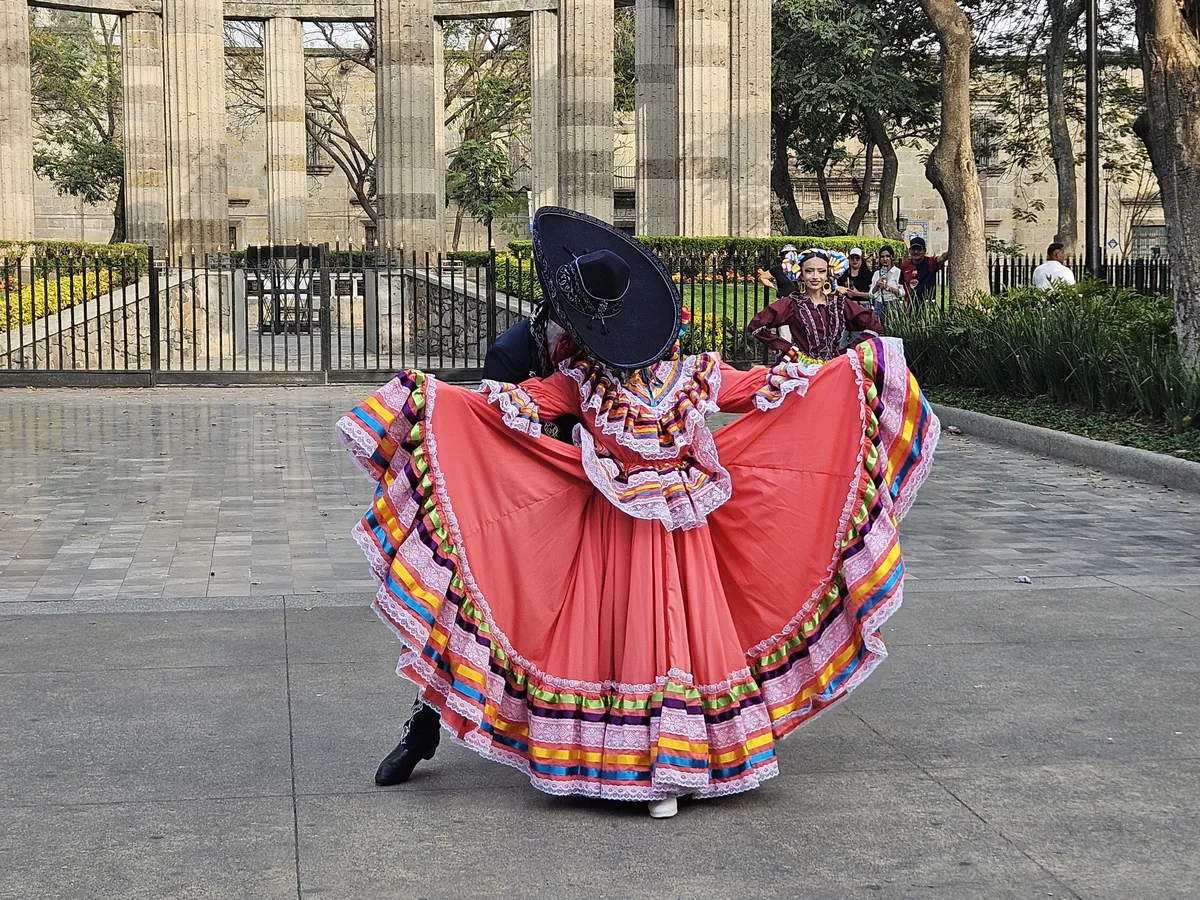
Ballet folklórico 並非一成不變的單一村莊舞蹈——它是經研究、編排並搬上鏡框式舞台的區域民俗傳統,搭配現場管弦樂與精緻的區域服飾,由受過專業訓練的舞團而非社區團體演出。正是這種劇場化的重新演繹,讓觀眾能在一個晚上接連欣賞墨西哥多個舞蹈區域的風貌,這是任何單一區域節慶都無法提供的體驗。
貝拉斯阿特斯的常設亮點
民俗舞團每週數次在帕拉西奧主劇院演出,呈現前西班牙時期與西班牙殖民後的墨西哥舞蹈,每晚觀眾絕大多數是觀光客而非本地人——這也正是為何這齣表演、這座建築與這張門票,通常被視為墨西哥市一項必做體驗,而非三個獨立選擇。
您將造訪的地區
你將看到的各個地區
一場民俗舞蹈(folklórico)演出,會在一個晚上帶你走遍墨西哥好幾個舞蹈地區——每一區都有各自的服裝、節奏與故事。實際演出順序會依場次而異,但這正是此類節目所依據的經典曲目。
寬大的紅綠雙色裙擺、查羅裝束(charro suit)、充滿求愛意味的踏步——這正是大多數人聽到「墨西哥民俗舞蹈」時腦海中浮現的畫面,也是1924年正式成為墨西哥國舞的舞蹈。
白色蕾絲洋裝與guayabera襯衫、豎琴與jarana吉他,以及融合非洲、西班牙與原住民元素的節奏——正是孕育出〈La Bamba〉的同一個音樂體系。
舞者戴著雕刻而成的老人面具,佝僂著身子,卻在轉瞬間爆發出快速踏地的舞步——這是普雷佩查族(Purépecha)的傳統,建立在表面的老態龍鍾與實際高超技藝之間的詼諧反差上。
一名舞者戴著真實的鹿頭,演繹一場狩獵情景,這支舞蹈源自前西班牙殖民時期雅基族(Yaqui)與馬約族(Mayo)的祭祀傳統,而非單純用來點綴的民俗表演。
來自圖斯特佩克(Tuxtepec)的舞者頭頂鳳梨,排列成隊形起舞——這是瓦哈卡(Oaxaca)重要原住民文化節慶「Guelaguetza」中最著名的表演之一。
一種較為含蓄、步伐緊湊的雙人舞,明顯融合了馬雅與西班牙殖民時期的影響,舞者身著白色刺繡huipil傳統服飾起舞。
皇宮:精彩演出上演之地
宮殿:表演的舞台
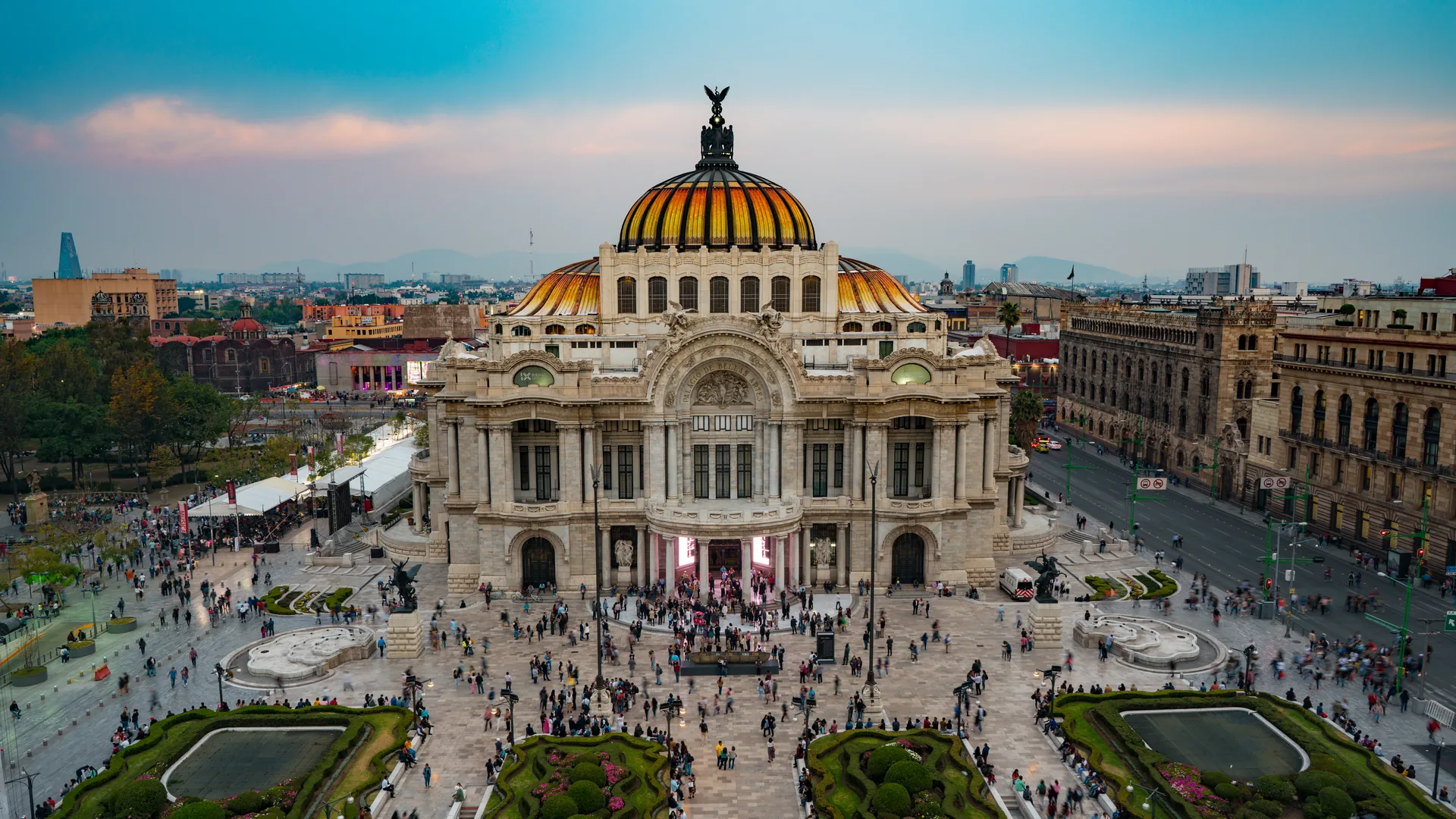
這座建築本身,和舞蹈演出一樣,都是整個夜晚不可或缺的一部分——以下帶你了解裡頭究竟有什麼。
耗時數十年建造,歷經兩位建築師
義大利建築師阿達莫・博阿里(Adamo Boari)於1904年開始興建這座宮殿;工程在墨西哥革命期間一度停擺,後由墨西哥建築師費德里科・馬里斯卡爾(Federico Mariscal)接手完成,建築最終於1934年11月29日開幕——距動工已過了三十年。
外觀新藝術風格,內部裝飾藝術風格
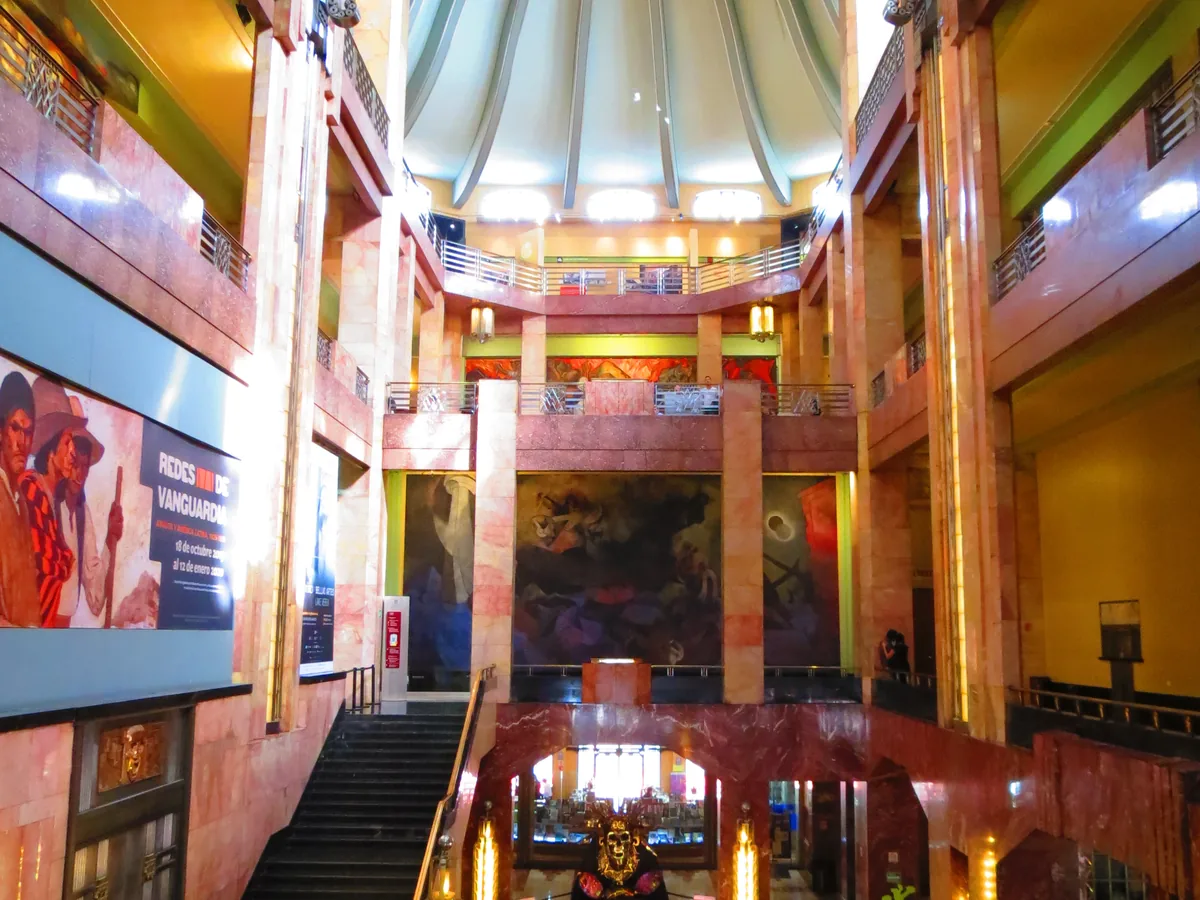
外觀以白色卡拉拉大理石與義大利大理石打造,融合新藝術與新古典主義風格,頂端覆蓋著橘色與米色相間的磁磚圓頂;一踏進室內,風格則轉為裝飾藝術(Art Deco),以玫瑰色調的墨西哥大理石作為飾面。
蒂芙尼玻璃幕簾
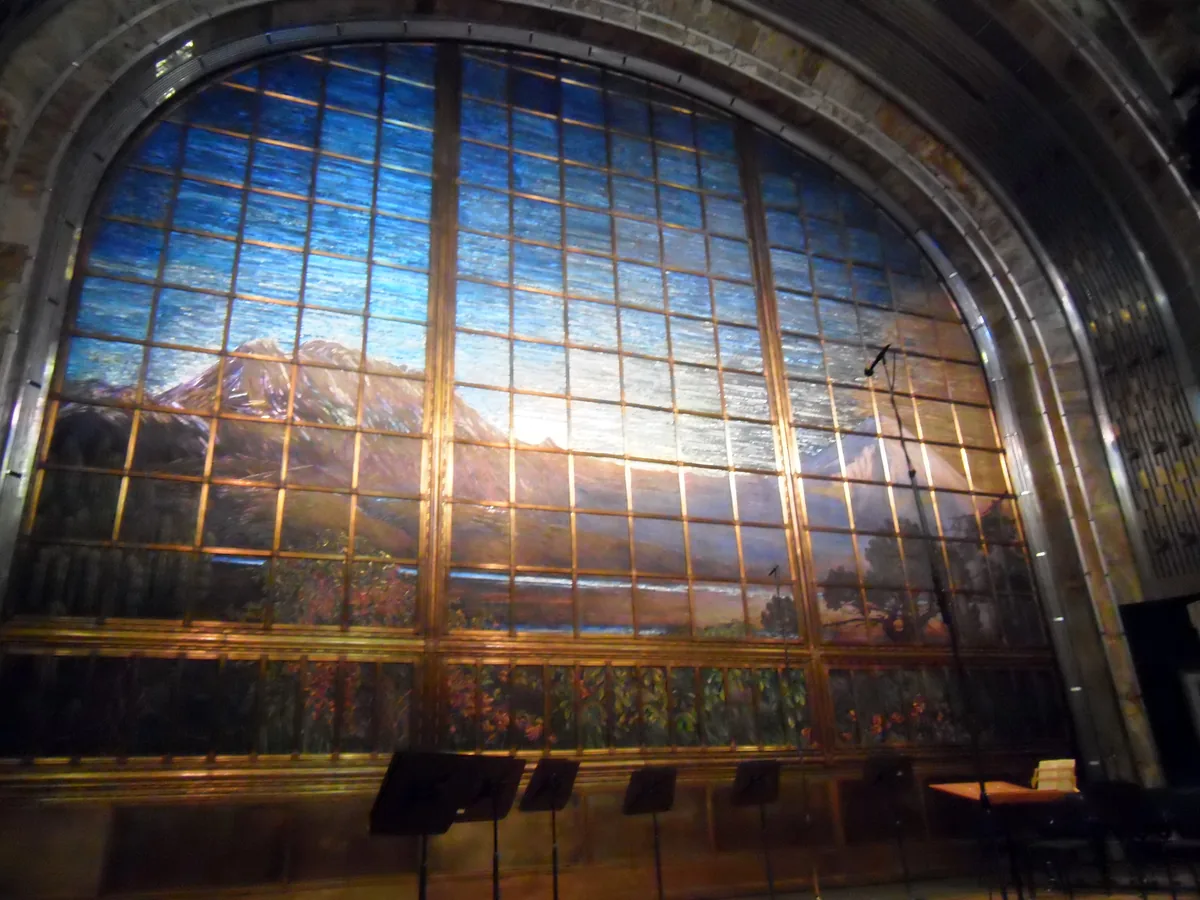
主劇院的舞台幕簾,是一件重達24噸的彩繪玻璃鑲嵌作品,由紐約的蒂芙尼工作室(Tiffany Studios)製作,描繪的是俯瞰墨西哥谷地的波波卡特佩特火山與伊斯塔西瓦特爾火山——據稱是全世界歌劇院中獨一無二的同類幕簾,在特定演出前還會從幕後打光。
出自墨西哥重量級藝術家之手的壁畫
上層樓面展示著迪亞哥·里維拉、大衛·阿爾法羅·西凱羅斯、何塞·克萊門特·奧羅斯柯、魯菲諾·塔馬約與豪爾赫·岡薩雷斯·卡馬雷納的壁畫——這意味著多數民俗芭蕾舞的觀眾,無論是否有意,在走向座位的途中都會經過二十世紀墨西哥藝術的重要作品。
宮殿與舞蹈,以影像呈現
宮殿與舞蹈,以影像呈現
在您預訂之前,讓我們更深入地了解這座建築及其所承載的民俗舞蹈傳統。
包含項目
What's included
This listing bundles the two things most visitors have to arrange separately — the ticket and the ride.
Round-trip hotel pickup
Transport from your central Mexico City hotel to the Palacio and back is included, so you're not navigating an evening taxi or rideshare in an unfamiliar downtown after dark.
Your theatre seat
Entry to the performance in the Palacio's main theatre — the same 1,590-seat room with the Tiffany curtain described above.
The full programme
The complete roughly two-hour performance, typically moving through several of Mexico's dance regions with live orchestral accompaniment throughout.
預訂民俗芭蕾舞的各種方式
為您的旅程挑選一場民俗芭蕾舞演出日期
以下每個選項均可透過GetYourGuide預訂,即時顯示可訂狀態,且最終價格會在付款前以您的當地貨幣呈現。
週三晚上或週日——您會選擇哪一天?
週三晚上或週日——該訂哪一天?
| 顯示日期 | 行程亮點 | 最適合 |
|---|---|---|
| 週三晚上 | 夜幕降臨後的演出,帕拉西奧宮外牆燈火輝煌,通常會搭配演出前在歷史城區的晚餐行程。 | 想要體驗戲劇化、夜晚外出氛圍的旅客,請選擇夜間行程。 |
| 星期日 | 與在歷史中心及其市集度過的週日時光自然相得益彰 | 計畫以索卡洛廣場(Zócalo)及墨西哥城市中心為主軸、安排一整日行程的旅客,而非僅停留一個晚上。 |
規劃您的造訪
規劃您的參觀行程
穿著建議
帕拉西奧是一座位於國家古蹟內的正式劇院——smart-casual(時尚休閒)是最基本的穿著底線,許多觀眾會為晚間演出再正式一級。我們未見此特定場次公布官方服裝規定,若不確定,建議穿得正式些而非隨性。
週三晚場 vs. 週日場
每週兩個慣例演出日帶來截然不同的夜晚體驗:週三晚場緊接一整天的觀光行程,而週日場則可為以歷史城區為主軸的一天畫下完美句點。請於GetYourGuide結帳時確認您預訂的具體日期與時間——節目表可能因國定假日而有所調整。
接送時間
由於包含飯店接送,您的確切接駁時間取決於訂單內容與飯店位置,而非所有人統一的一個固定時段——請以憑證上確認的接送時間區間為準,勿自行假設一般開演時間。
帕拉西奧周邊
該建築內亦設有美術宮博物館(Museo del Palacio de Bellas Artes)及前述壁畫;若您的接送時間允許些許彈性,提早一點抵達,在演出前先欣賞壁畫與前廳,絕對值得多花這點時間。
應該提前多久預訂
由於演出採固定每週檔期而非每日上演,且劇院每場演出的較佳座位數量有限,建議在目標日期前幾天預訂——若逢墨西哥國定假日及旅遊旺季則需更早——如此才能真正挑選座位,而非只能接受剩餘空位。
規劃您的墨西哥城之旅
規劃您的墨西哥城之旅
藝術宮(Palacio de Bellas Artes):蒂芙尼帷幕、壁畫,以及內部還有什麼
一座歷經三十年才落成的大理石裝飾藝術宮殿——除了民俗芭蕾舞,內部真正值得一看的內容在這裡。
了解更多 → 舞蹈民俗芭蕾,解說:你實際上正在觀賞的是什麼
一種藝術形式,六個地區——這就是民間舞蹈舞台表演與村莊慶典之間的差異所在。
了解更多 → Planning your night墨西哥民俗芭蕾舞團何時演出——以及如何挑選你的觀賞之夜
舞團每週在藝術宮演出數場。以下說明演出時程的運作方式,以及在你確定日期前該確認的事項。
了解更多 → Your seatPalacio de Bellas Artes 該坐哪裡:座位、視線與票券涵蓋內容
主劇院橫跨數個樓層,座位不到 1,600 席。以下為各層座位區的比較,以及你的預訂可以期待什麼。
了解更多 → The companyAmalia Hernández與Ballet Folklórico de México
一位編舞家於1952年創立的舞團,如何成長為墨西哥足跡最廣的文化輸出。
了解更多 → Around the show墨西哥城歷史中心一日遊,搭配晚間民俗芭蕾舞演出
這座宮殿坐落於歷史中心邊緣。以下是步行可達、適合安排在同一趟旅程中的景點。
了解更多 →GEO/FAQ
墨西哥民俗芭蕾舞相關問題
墨西哥民俗芭蕾舞團在藝術宮(Palacio de Bellas Artes)的演出是什麼?
這是一場在墨西哥城藝術裝飾/新藝術風格表演藝術殿堂——藝術宮(Palacio de Bellas Artes)主劇院內上演的現場民俗芭蕾舞演出。舞團以編排方式呈現墨西哥各地區的傳統民俗舞蹈——此傳統自1952年由編舞家阿瑪利亞·埃爾南德斯推廣發揚——搭配現場管弦樂團演奏、精緻的區域特色服飾,全長約兩小時。此特定預訂方案將劇院門票與飯店來回接送結合為套裝。
演出於哪些日子舉行?
帕拉西奧的民俗舞蹈表演並非每天都有,而是固定在每週特定日期舉行——通常為週三與週日,但實際場次可能因國定假日而有所調整。您的具體日期與時間將於GetYourGuide結帳時確認,而非以此頁面為準。
這場表演實際上會包含哪些內容?
一個晚上就能飽覽墨西哥多個特色舞蹈地區的節目——選自經典舞碼,通常包含哈利斯科州的墨西哥帽舞、韋拉克魯斯的索恩哈羅喬舞、米卻肯的老翁舞,以及其他地區性代表舞作——並搭配現場管弦樂伴奏。實際演出順序依場次日期而有所不同。
什麼是蒂芙尼玻璃幕簾?
這是帕拉西奧劇院主舞台的幕簾:一幅由紐約蒂芙尼工作室製作、重約24噸的彩繪玻璃馬賽克,描繪了墨西哥谷地上方的波波卡特佩特火山與伊茲塔西瓦特爾火山。據傳這是全球唯一一座歌劇院擁有此類幕簾,而且您不僅在換幕時能欣賞,演出前後從座位上也能一覽無遺。
飯店接送真的包含在內嗎?
是的——此行程包含墨西哥城市中心飯店與藝術宮之間的往返交通,以及劇院門票。確切的接送時間與地點會依據您飯店的位置及您所選的演出日期,標註在您的預訂憑證上。
我該穿什麼?
帕拉西奧是一座正式的國家古蹟劇院,因此 smart-casual(時尚休閒)是最基本的合理穿著,許多觀眾也會為晚間演出盛裝打扮。我們尚未看到此特定場次公布官方服裝規定——若您不確定,建議穿得正式一點,而非過於隨興。
顯示的價格是否為最終價格?預訂流程又是如何運作?
您透過GetYourGuide預訂,系統會在付款前以您的當地貨幣顯示最終價格,並事先載明您所選日期的取消政策。我們是獨立預訂指南,並非Palacio de Bellas Artes、INBA或任何舞蹈公司;預訂流程本身由GetYourGuide的安全結帳系統處理。